Project
Nest Wealth - Custodial Systems and Processes
Product Design
AI Strategy
Leadership & Growth
![[team] image of individual team member](https://cdn.prod.website-files.com/6960f9c363fb5a754349de17/69d88f9359b2bac257df365e_Screen%20Shot%202026-04-10%20at%206.49.54%20AM.png)
My Role
As the lead designer and manager on this project, I was responsible for:
National Bank plays a critical role in the wealth management ecosystem by providing robust custodial and brokerage infrastructure that enables boutique firms to operate at scale without the burden of building complex back-office capabilities. Through its comprehensive custodial services, including custody, clearing and settlement, account statement production, tax reporting, and registered plan administration, it ensures that firms can deliver accurate, compliant, and seamless experiences to their clients. Capabilities such as new account onboarding, transfer management, corporate actions, and mutual fund processing further reduce operational friction, allowing advisors to focus on client relationships and portfolio strategy rather than administrative overhead.
Beyond core custody, National Bank’s investment fund and prime brokerage services extend significant leverage to boutique wealth managers. With a full-service offering in a regulated SRO environment, firms gain access to multi-asset class clearing, margin financing, and sophisticated reporting across both public funds and private pools. This infrastructure not only enhances operational efficiency and transparency but also enables smaller firms to compete with larger institutions—offering institutional-grade services, faster execution, and more diverse investment opportunities to their clients.
National Bank of Canada partnered with Nest Wealth to combine institutional-grade custody and brokerage infrastructure with a modern, scalable digital investing platform. This allowed the bank to accelerate digital transformation and better serve independent advisors and emerging investor segments without building everything in-house. In turn, Nest Wealth gained distribution, regulatory backing, and access to a broad network of boutique wealth firms.
NBIN's existing platform, Compass, had grown organically over many years. Anecdotal feedback suggested users were frustrated, but the product team lacked structured evidence to know what to fix, for whom, and in what order. Leadership needed a research-backed foundation to justify roadmap decisions, especially ahead of a major conference reveal and a phased feature rollout.
The core questions were:
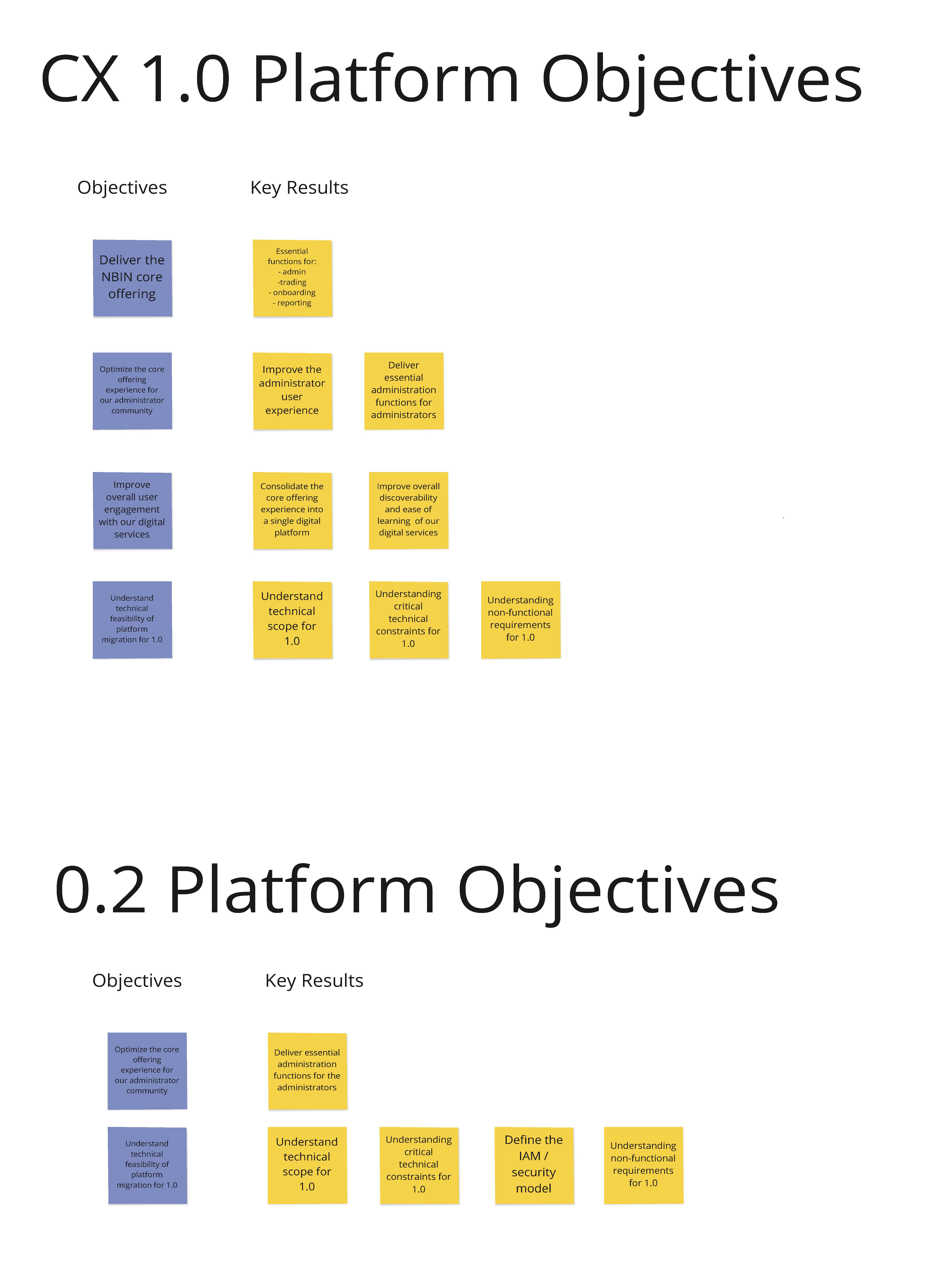
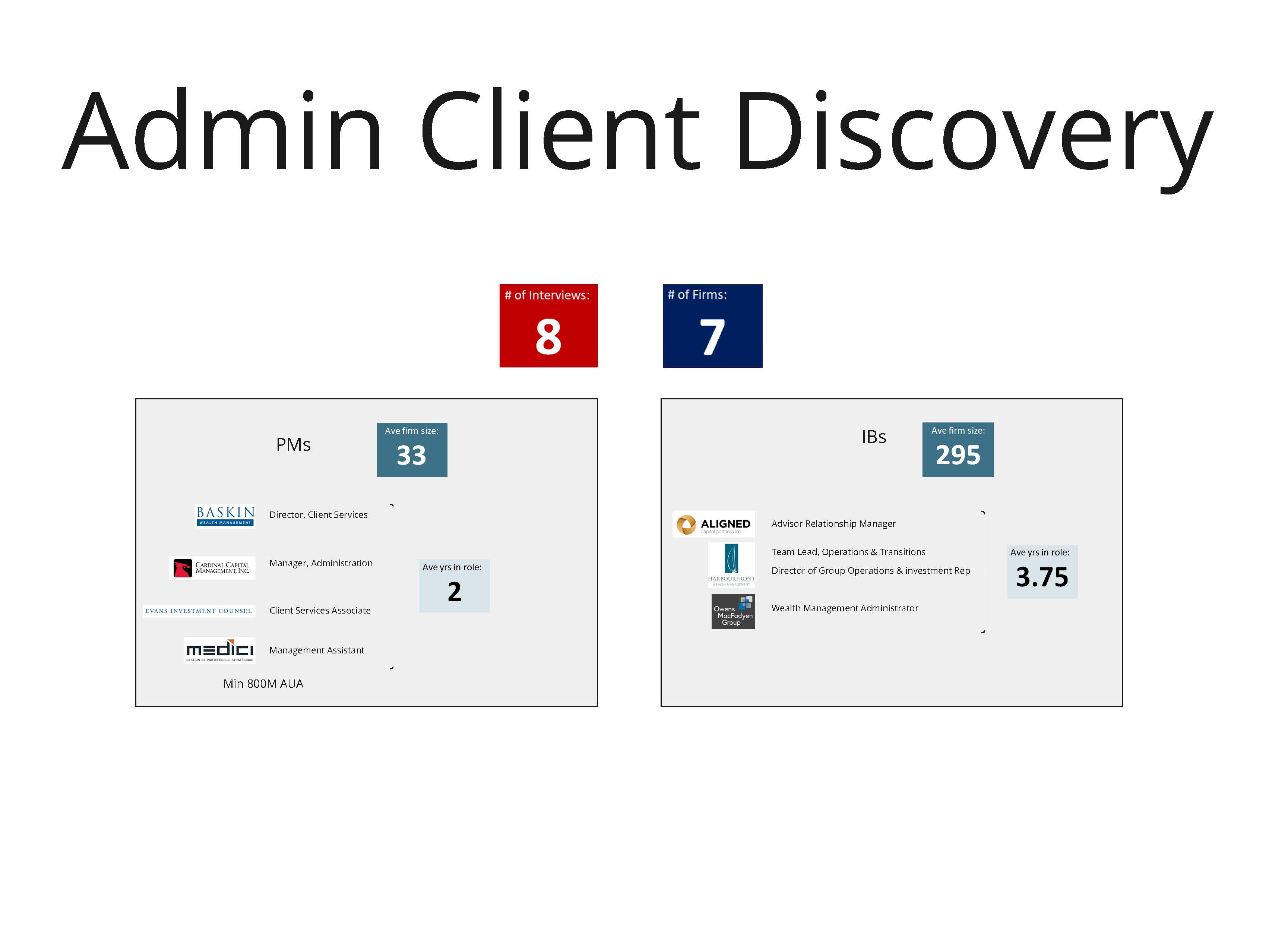


This project reinforced that discovery, when done well, is a strategic lever. It's not just a passive research exercise. By designing a rigorous, non-leading question framework, we moved beyond surface-level opinions and uncovered real behavioural patterns, validating key assumptions that directly shaped the product direction. The outcome was a clearly prioritized CX roadmap that targeted the highest-friction journeys, with the potential to reduce.
Leading this across internal stakeholders, external clients, and a partner agency required tight alignment and deliberate trust-building. I established a structured cadence for communication and synthesis, ensuring insights were continuously translated into decisions rather than sitting in decks. If I were to run this today, I would expand the participant pool beyond six sessions to increase statistical confidence and include more diversity across firm size and geography, strengthening edge-case validation and ensuring the solution scales effectively across different segments.